
I’m
Nguyen Dang Viet Ha.
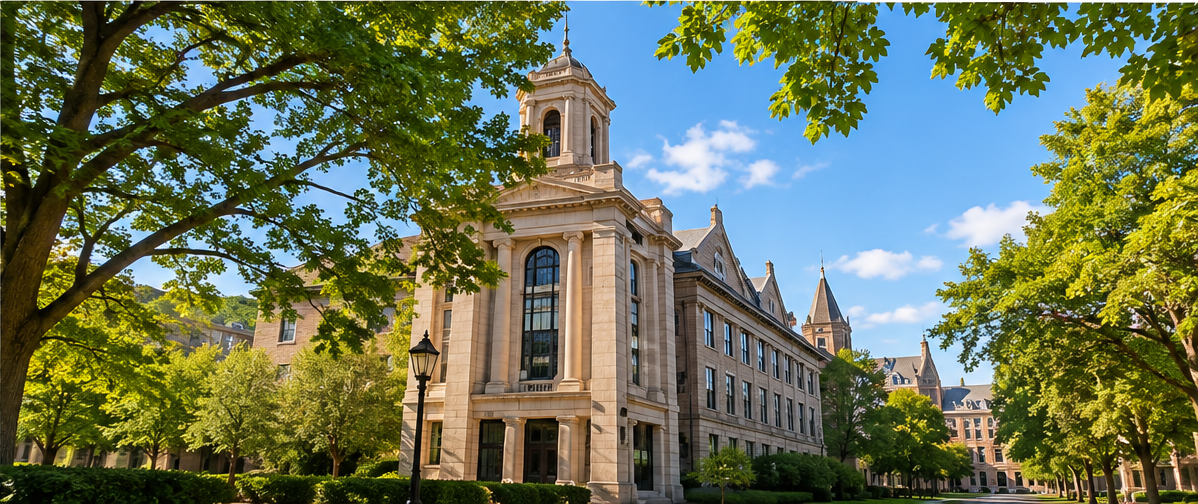
I’m Nguyen Dang Viet Ha, a Vietnamese student currently studying in Boston, Massachusetts. I’ve always been curious about how things work, especially technology…
Read More ↓Read Less ↑
What started as an interest in programming gradually became something much more meaningful: a way for me to turn ideas into real solutions.
But there’s more to me than coding. I enjoy playing soccer, exploring new games, learning about different cultures, and spending time with the people who matter to me.
This website is a little collection of my experiences, projects, memories, and the things that have shaped who I am today.


student in Boston
Culture
People
Impact
That’s what
excites me.
Better people
Better tomorrow

with curiosity.
Why I Like Code
From a simple class
to a bigger question.
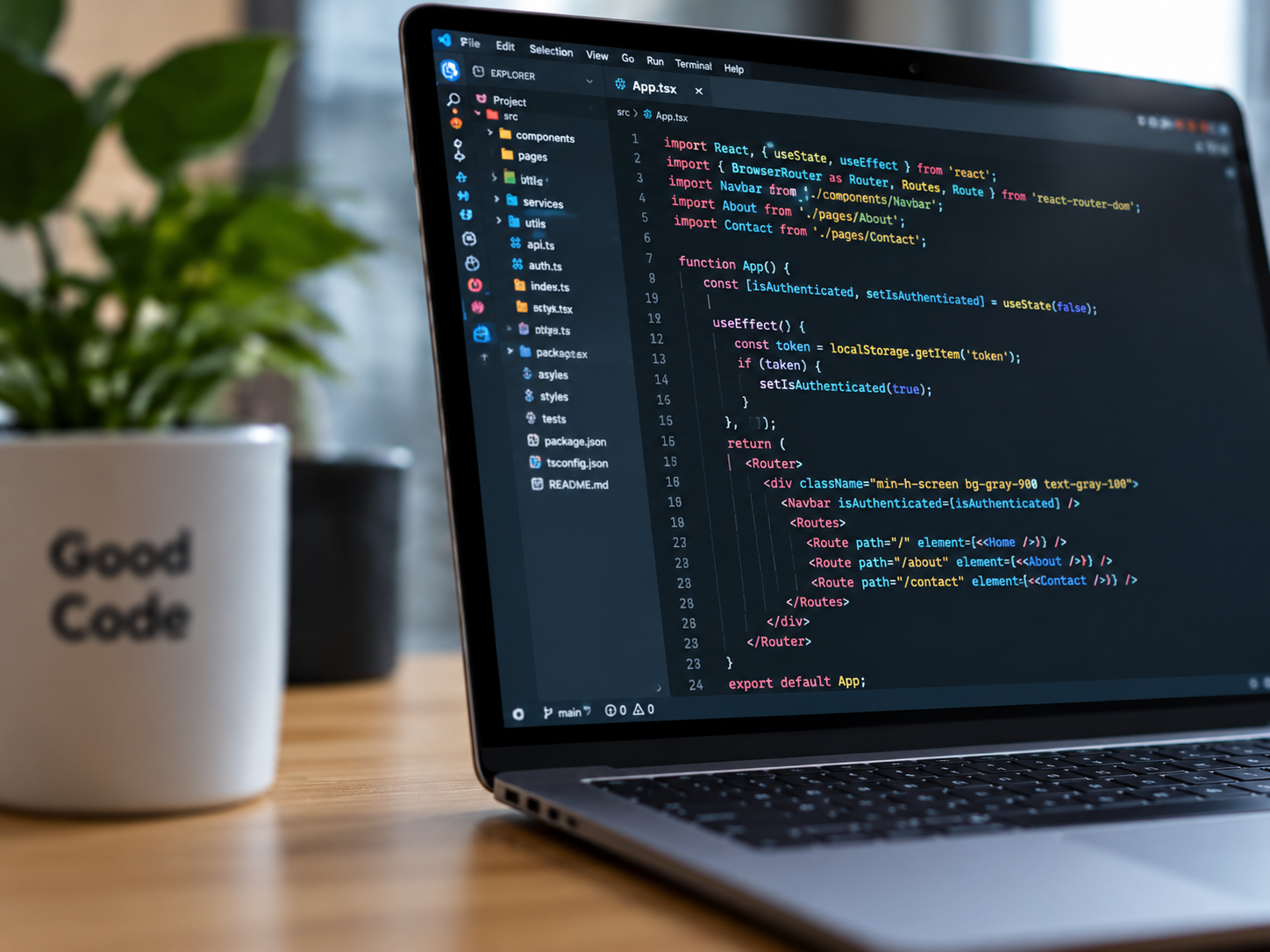
My interest in computer science began in ninth grade, during an Information Technology class. At first, programming seemed like a world of complicated commands and unfamiliar symbols…
Read More ↓
Read Less ↑
I spent hours figuring out why a few lines of code weren’t working, only to realize that I had forgotten something as simple
as a bracket.
But there was something satisfying about finally getting a program to run.
I loved the feeling of creating something from nothing. An idea that existed only in my imagination could suddenly become a game, a website, or an application that someone else could actually use.
As I learned more about programming, I began to ask myself a different question: What if I could use technology to solve problems beyond my computer screen?
That question eventually led me toward projects combining computer science,
education, and cultural preservation.
From Curiosity to Purpose
People, places and
a bigger purpose.
Growing up in Vietnam, I learned about my country’s history, traditions, and national identity. Yet, I realized that there was still so much I didn’t know about the cultures of Vietnam’s 54 ethnic groups…
Read More ↓
Read Less ↑
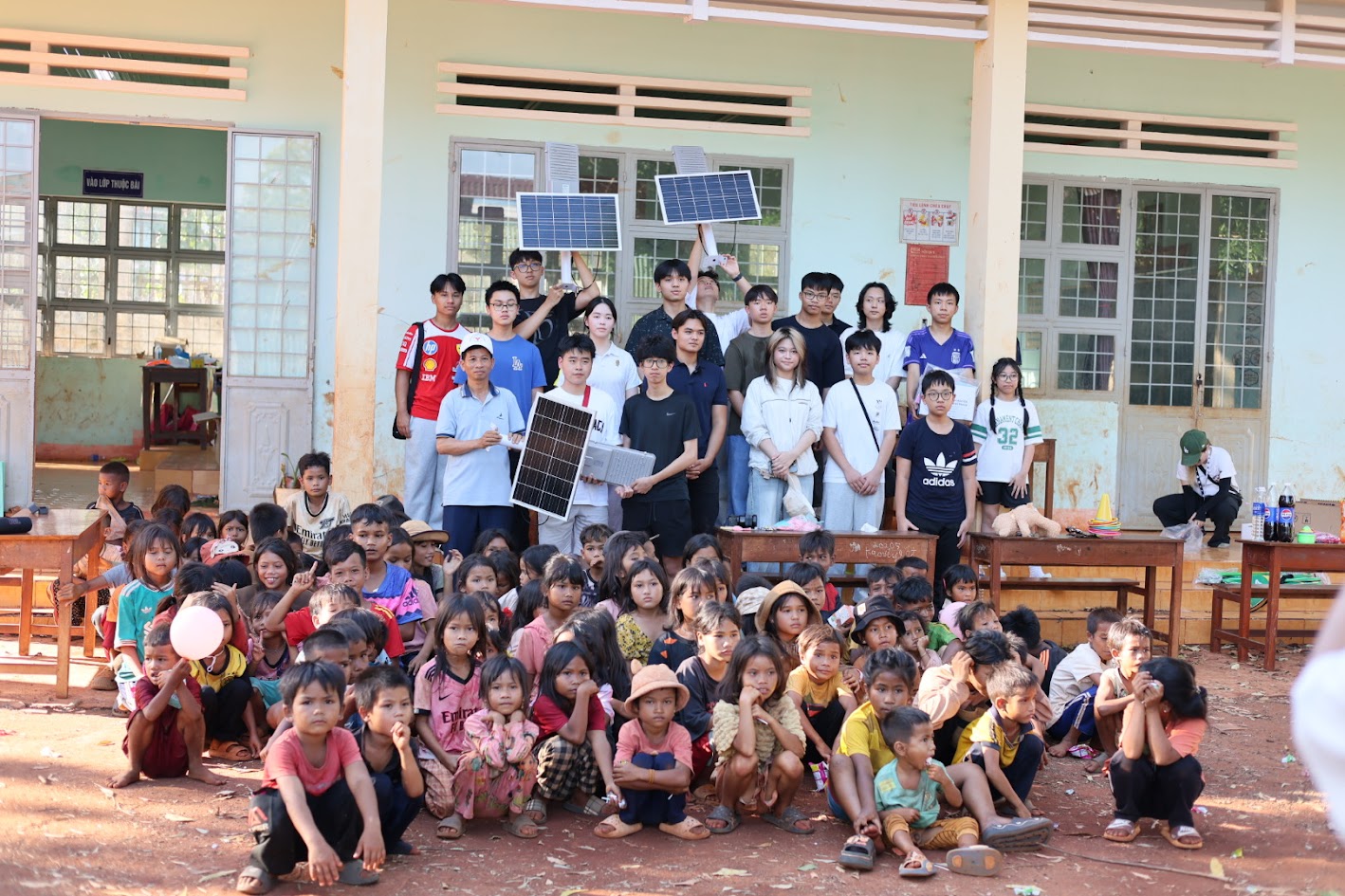
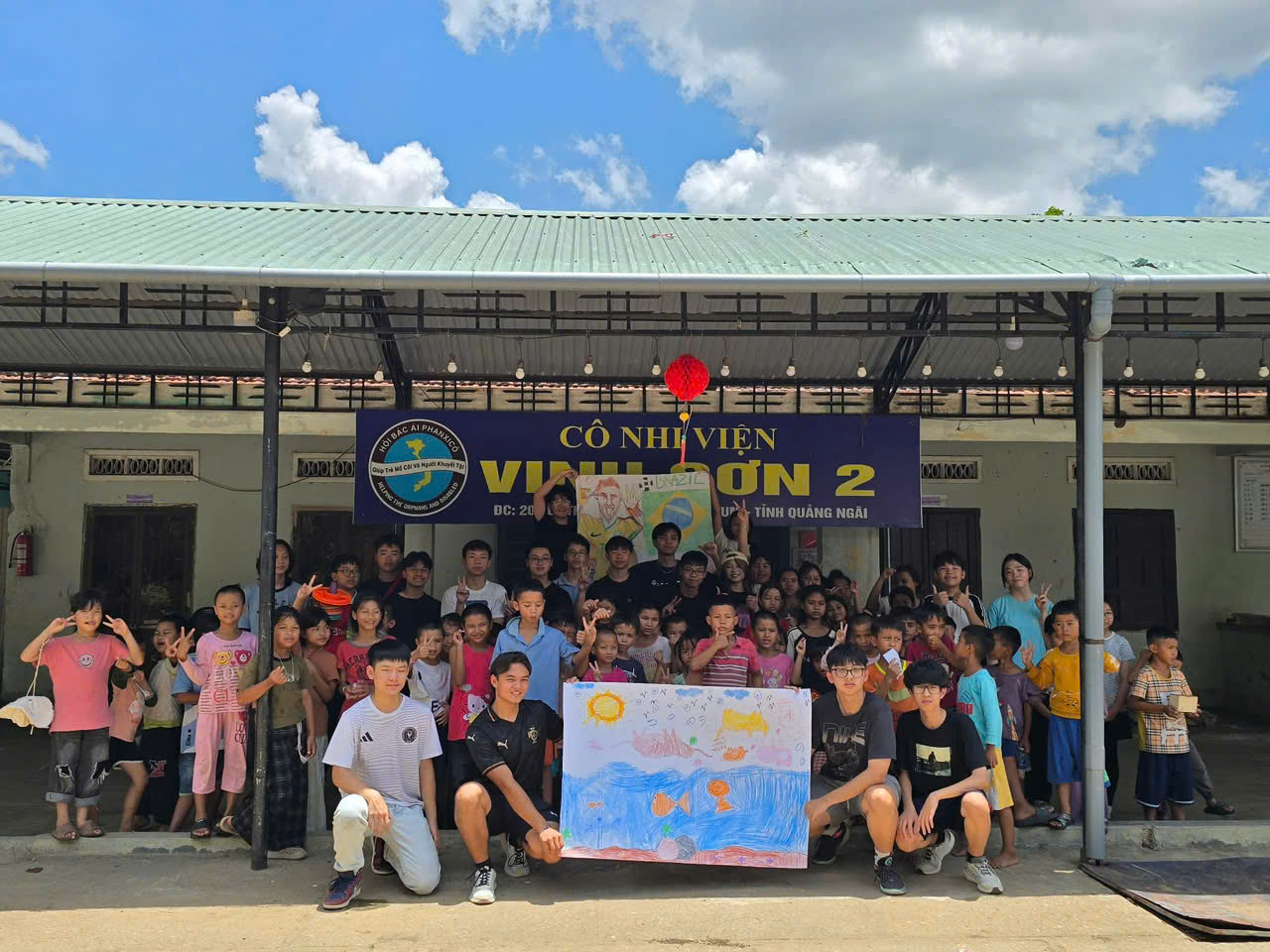
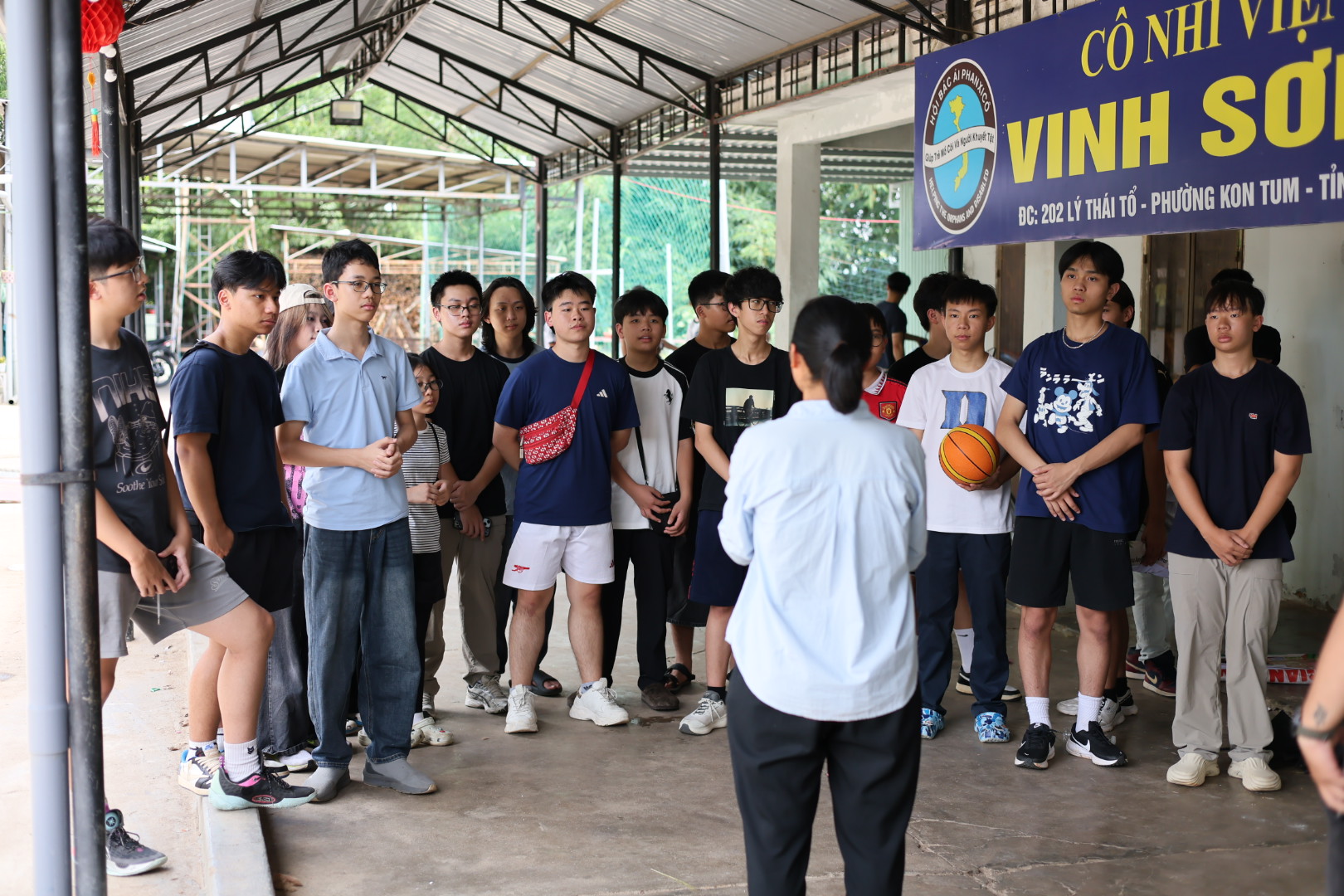
That realization became even stronger during a volunteer trip to the Vietnamese highlands. I had the opportunity to meet local students, experience their communities, and learn about traditions that were unfamiliar to me.
What stayed with me wasn’t simply how different their lives were from mine, but how many stories, customs, and perspectives I had never encountered before.
I began wondering why these cultures were not more accessible to young people like me. Books and articles could provide information, but I wanted to create something more interactive. Something that could make learning feel like an adventure rather than an assignment.
That was when I started imagining ETHNIA
incredible people
New perspectives.
A bigger purpose.
When Technology Meets Culture
ETHNIA
A gamified journey to explore
Vietnam’s ethnic cultures.
ETHNIA began with a simple idea: what if students could discover Vietnam’s ethnic cultures through a game? Instead of reading long descriptions, they could explore interactive maps, complete quizzes, unlock cultural stories…
Read More ↓
Read Less ↑
Building ETHNIA challenged me in ways I hadn’t expected. Although I had some experience developing games, creating a complete mobile application required me to learn new frameworks, understand backend systems, and think carefully about how users would interact with the product.
There were moments when features didn’t work as planned and problems took much longer to solve than I expected. But each challenge taught me something new.
Eventually, ETHNIA reached a beta version tested by more than 100 middle school students. Seeing other students interact with something I had built reminded me why I started coding in the first place.
I didn’t just want to create software. I wanted to create experiences that mattered.
A closer look at ETHNIA in action.
More than just code.
Here are some of the things I care about, spend my time on, and that make my life more meaningful.

Beyond the Code
Some of my most meaningful lessons happened far away from a classroom.
From volunteering in mountainous communities to supporting children in hospitals, these experiences have shaped how I see the world.

Things I’ve Built
Explore the projects, research, and technologies that have challenged me to think differently.

Life on the Field
Sometimes, the best way to clear my mind is to chase a soccer ball.
Soccer has taught me teamwork, patience, and how to keep going when things don’t go as planned

My Little Corner
A collection of the little things that make me who I am.
Games, bamboo handicrafts, soccer, and the moments that don’t usually appear on a resume.
Small Milestones,
Bigger Dreams.
Every achievement represents a challenge, a lesson, and another reason to keep exploring.
I don’t see achievements as the finish line. To me, they are reminders of the effort, mistakes, and persistence that went into reaching a goal.
Here are some milestones that have shaped my academic and personal journey.
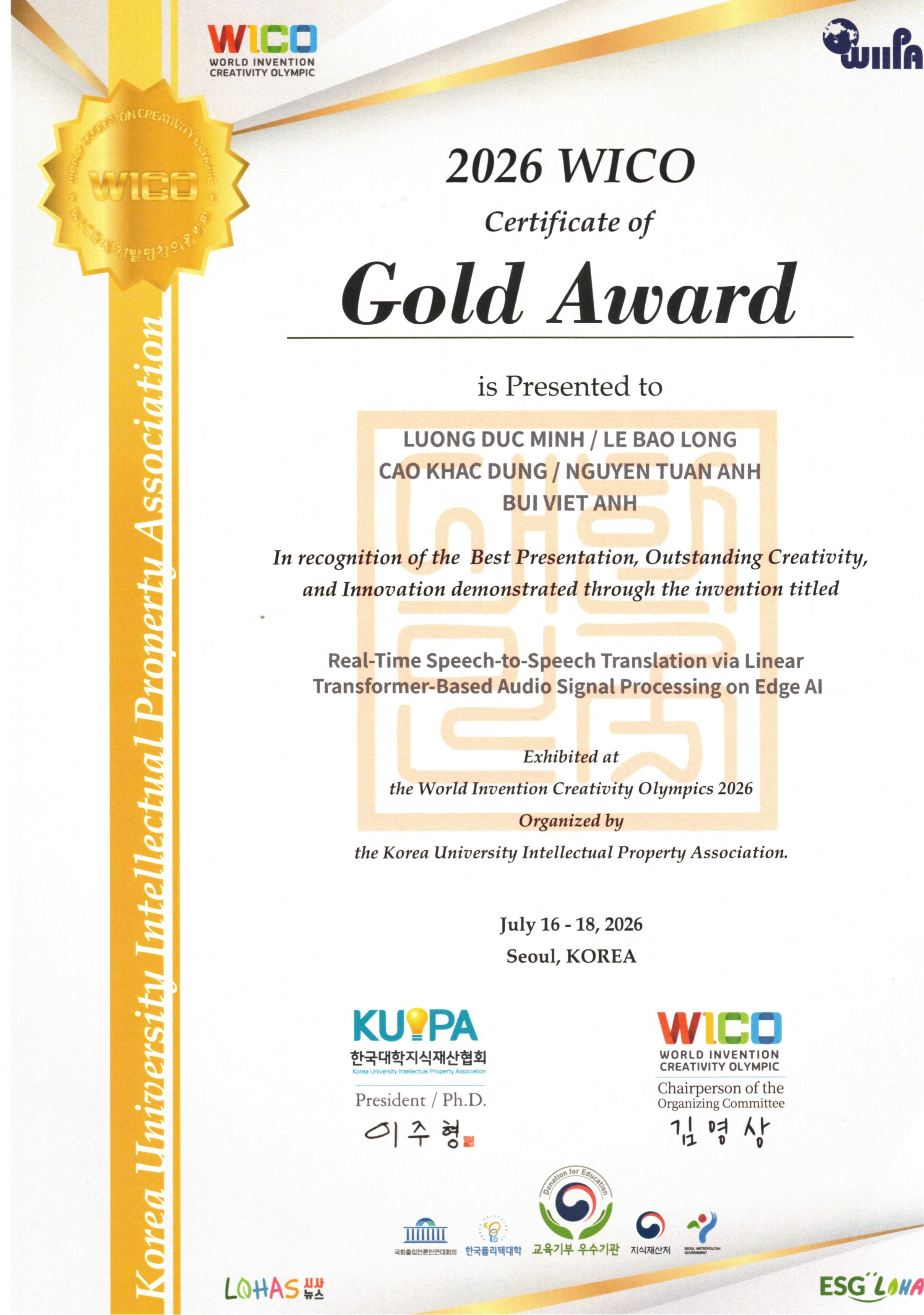
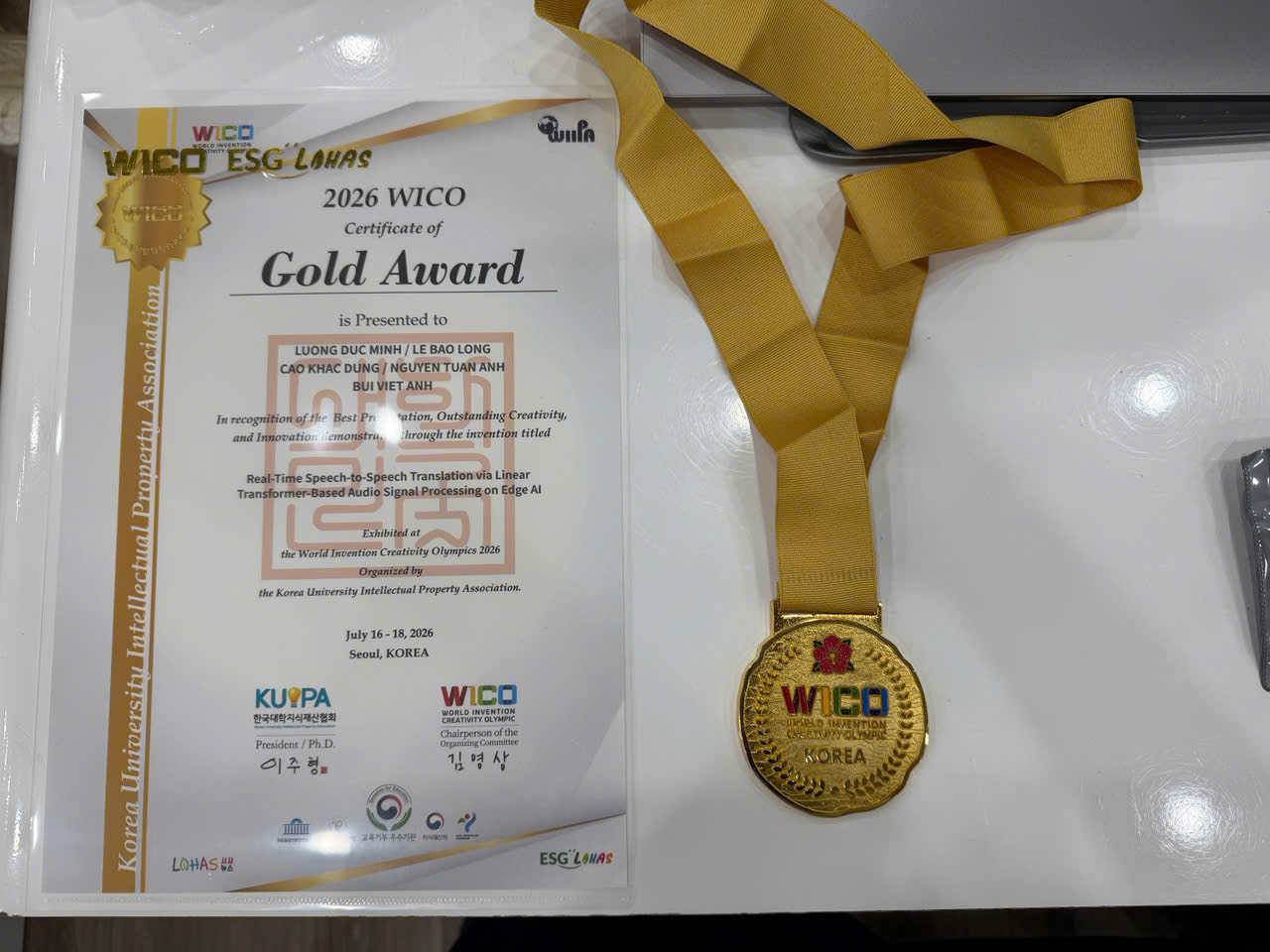
JULY 2026
World Invention Creativity
Olympics 2026.

Gold Place
World Invention Creativity Olympics (WICO)
Co-organized by KUIPA and WIIPA.
Receiving a Gold Award at the World Invention Creativity Olympics was one of the most meaningful milestones in my journey with technology.
It encouraged me to continue exploring how computer science and artificial intelligence could be used to address real-world challenges.
More importantly, the experience reminded me that innovation isn’t just about developing something technically impressive. It’s about identifying meaningful problems and finding creative ways to approach them.
JULY – OCTOBER 2026
From Curiosity to
Research.
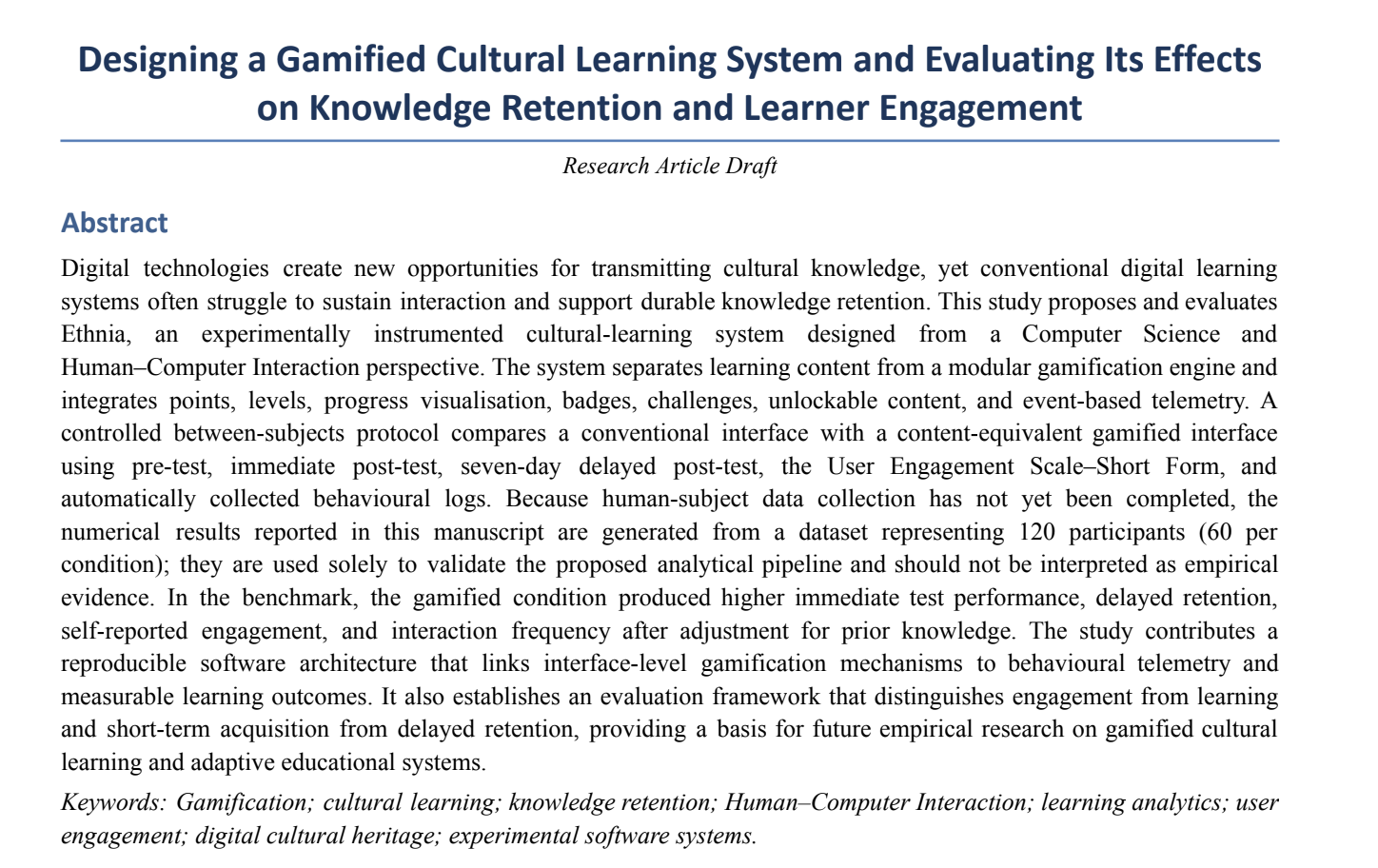
Designing a Gamified Cultural Learning System and Evaluating Its Effects on Knowledge Retention and Learner Engagement
Developing ETHNIA made me curious about a question that went beyond programming:
Can game mechanics actually help students learn and remember information more effectively?
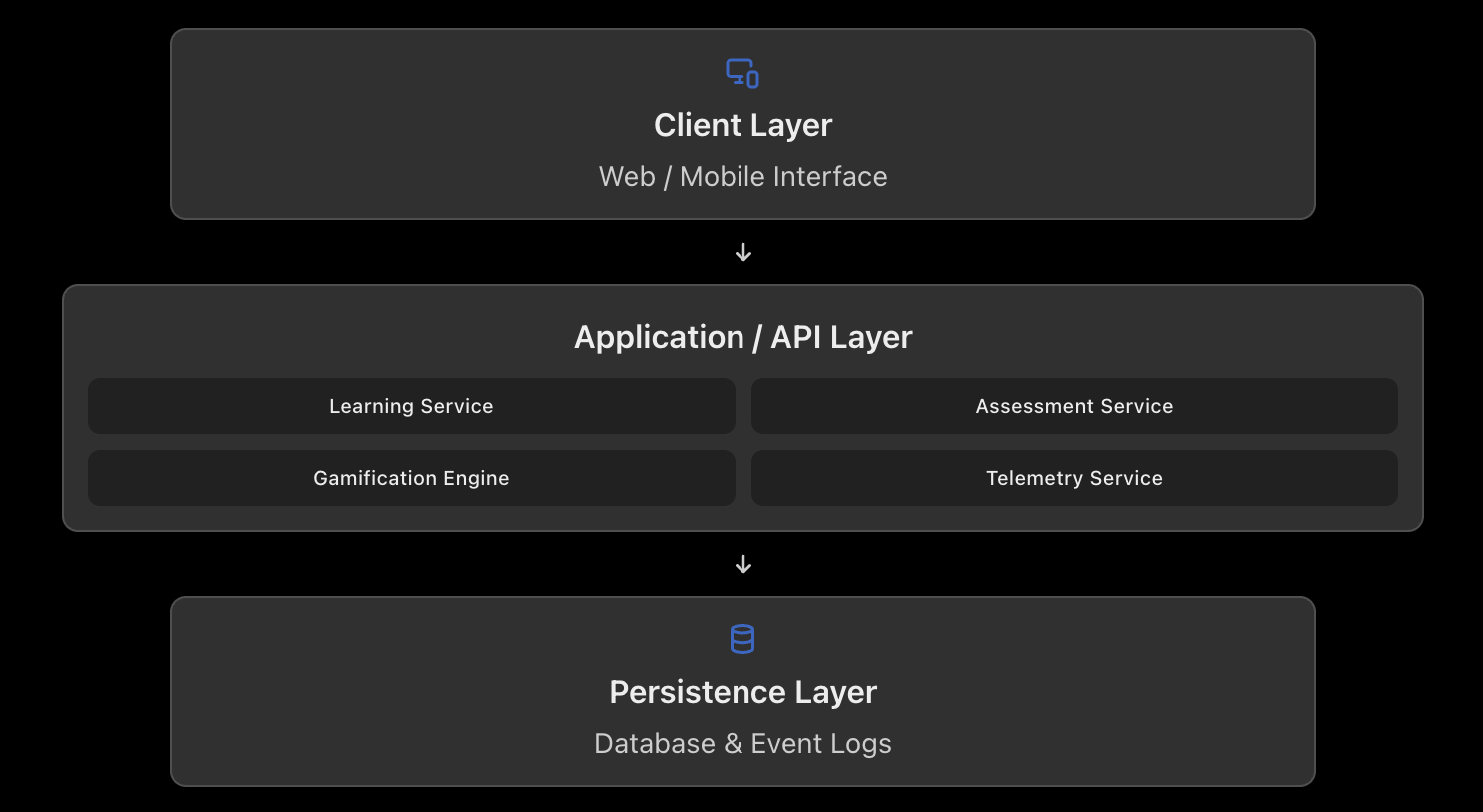
To explore this question, I developed a modular gamified learning system that could record user interactions and support the study of engagement and learning behavior.
The system tracked metrics such as learning time, quiz attempts, and voluntary revisits.
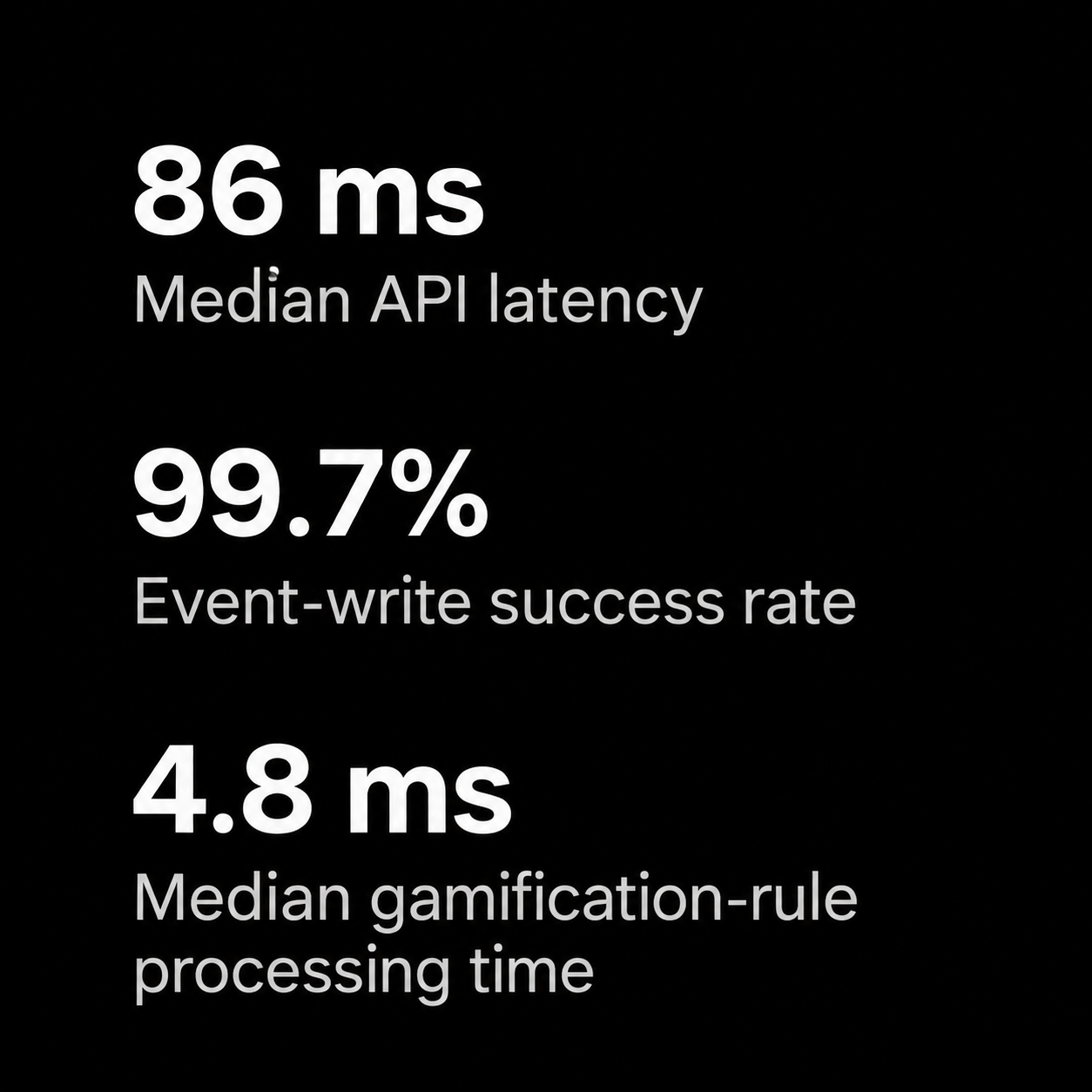
Through technical benchmarking, I also evaluated the reliability and performance of the application’s backend infrastructure.
This research helped me understand that building educational technology involves more than creating engaging interfaces. It also requires studying how people interact with technology and how those interactions can support learning.
Things I’ve Built.
People I’ve Worked With.
Lessons I’ve Learned.
Some projects begin with a line of code.
Others begin with a conversation, a question,
or a problem worth solving.
01 / FEATURED PROJECT
ETHNIA:
The 54 Ethnic Groups of Vietnam.
ETHNIA is an educational mobile game designed to introduce students aged 9–16 to Vietnam’s 54 ethnic groups through interactive learning experiences.
The idea emerged from my interest in cultural preservation and my experiences visiting mountainous communities in Vietnam.
I wanted to create a platform that would help younger generations discover cultural traditions through exploration rather than memorization.
Read More ↓
Read Less ↑
The Problem
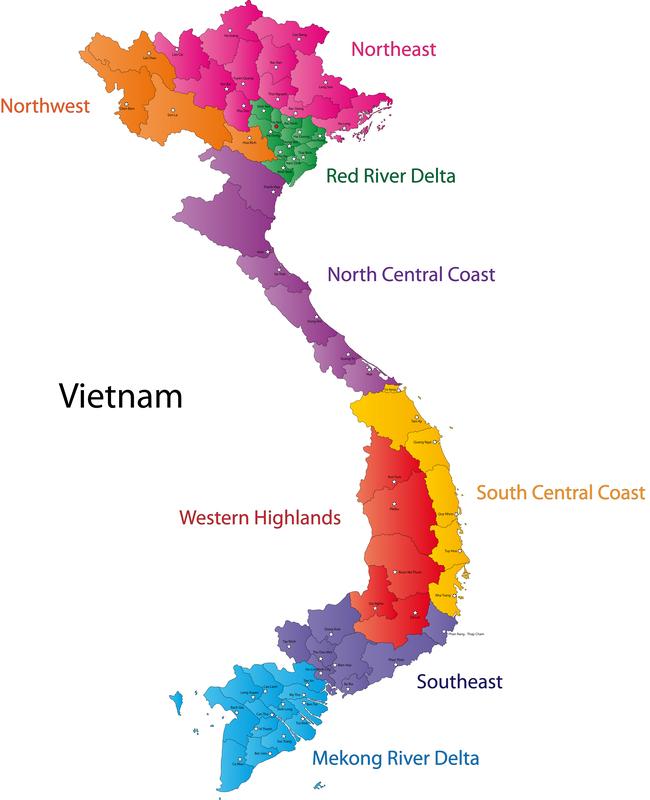
Vietnam is home to 54 officially recognized ethnic groups, each with distinctive traditions, histories, and cultural practices.
However, learning about this diversity can be challenging for young students, especially when educational resources rely heavily on text-based materials.
I wanted to explore whether a more interactive approach could make cultural learning engaging and accessible.
The Development Journey
I began with a basic concept: a mobile application where students could explore different regions of Vietnam and discover the cultures associated with them.
Having previously experimented with game development, I was familiar with some programming concepts. However, building a cross-platform application required me to expand my technical knowledge.
I learned to use React Native and Expo to develop the mobile interface, while NestJS, Prisma, and PostgreSQL supported the backend infrastructure.
As development progressed, I added interactive maps, quizzes, collectible
rewards, and a progression system.
One of my biggest challenges was making these features work together as a unified learning experience.
Rather than treating educational content and game mechanics as separate components,I wanted students to feel that learning itself was part of the game.
Impact & Results
ETHNIA reached a beta version tested by more than 100 middle school students.
The testing process gave me an opportunity to observe how students interacted with the application and consider improvements to its learning experience.
For me, the most rewarding part was seeing a personal idea become something that other students could use.
What I Learned
ETHNIA taught me that software development is not just about writing functional code.
It involves understanding users, organizing complex systems, making design decisions, and adapting when something doesn’t work as expected.
Most importantly, it showed me how technology could connect my interest in computer science with my desire to preserve and share cultural knowledge.
Key Features
Interactive Cultural Exploration
Discover Vietnam’s ethnic communities through interactive regional exploration.
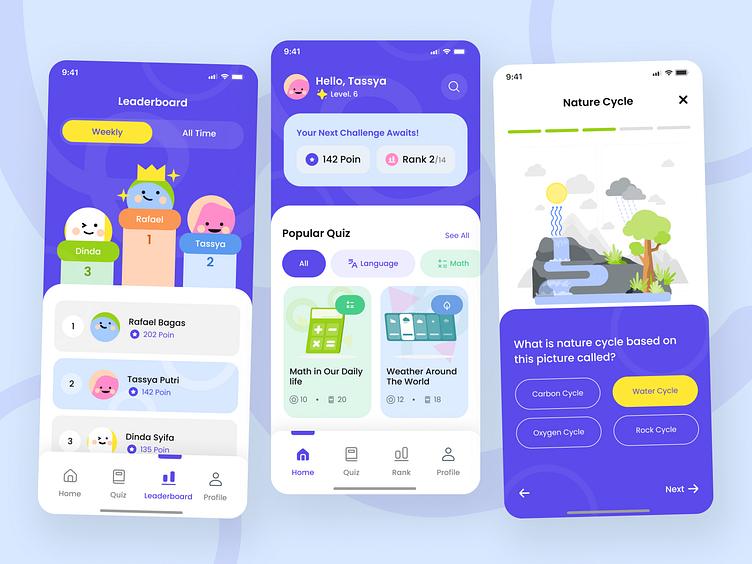
Quizzes & Cultural Stories
Learn about cultural traditions through interactive quizzes and stories.
Gamified Progression
Earn XP, unlock achievements, and collect rewards as you explore.
Middle school students tested the ETHNIA beta version.
The testing process helped guide improvements to the learning experience.
Project Media
Inside the App
Four screens showcasing the application’s main learning features and user experience.


From Development to Real Users
A glimpse into the development process and the beta testing experience.
From an idea to something real.
02 / SOFTWARE PROJECT
AI Chatbot:
Kidscode STEM Education.
THE PROJECT STORY
Turning programming knowledge into a practical application.
During my internship at Kidscode STEM Education, I worked on developing an AI chatbot application using Python.
The project allowed me to apply programming fundamentals to a practical application while improving my understanding of debugging, object-oriented programming, and interface development.
I used Tkinter to build the graphical user interface and integrated features such as text-to-speech and chat history retention.
Unlike smaller programming exercises, this project required me to think about how different features could work together to create a usable application.
It also taught me the importance of testing, troubleshooting, and improving a program through iteration.
Project Media
Learning by building.
03 / RESEARCH PROJECT
Can Gamification Improve
Cultural Learning?
Building ETHNIA led me to a new question: how could I evaluate whether an interactive learning system was genuinely useful?
Research Objective
My research focused on designing a gamified cultural learning system and developing the technical infrastructure needed to examine user engagement and knowledge retention.
04 / INTERNSHIP
Software Engineer Intern— Kidscode STEM Education.
Strengthening my programming foundation through practical application development.
My internship at Kidscode STEM Education gave me an opportunity to strengthen my programming foundation while working on an application with practical features.
I explored Python concepts such as functions, object-oriented programming, file handling, and algorithms.
Through developing an AI chatbot, I became more familiar with how different software components interact.
The experience also helped me develop a more systematic approach to debugging and solving programming problems.
05 / INTERNSHIP
Software Engineer Intern— Trip Technology.
Understanding how software is developed in a professional environment.
At Trip Technology, I had the opportunity to experience software development in a professional environment.
Working under the guidance of supervisors, I supported application module development, feature integration, functional testing, and technical documentation.
I learned that writing code is only one part of software engineering.
Testing, communication, documentation, and collaboration are equally important to building reliable applications.
This internship helped me understand how software projects are developed
and maintained beyond individual programming assignments.
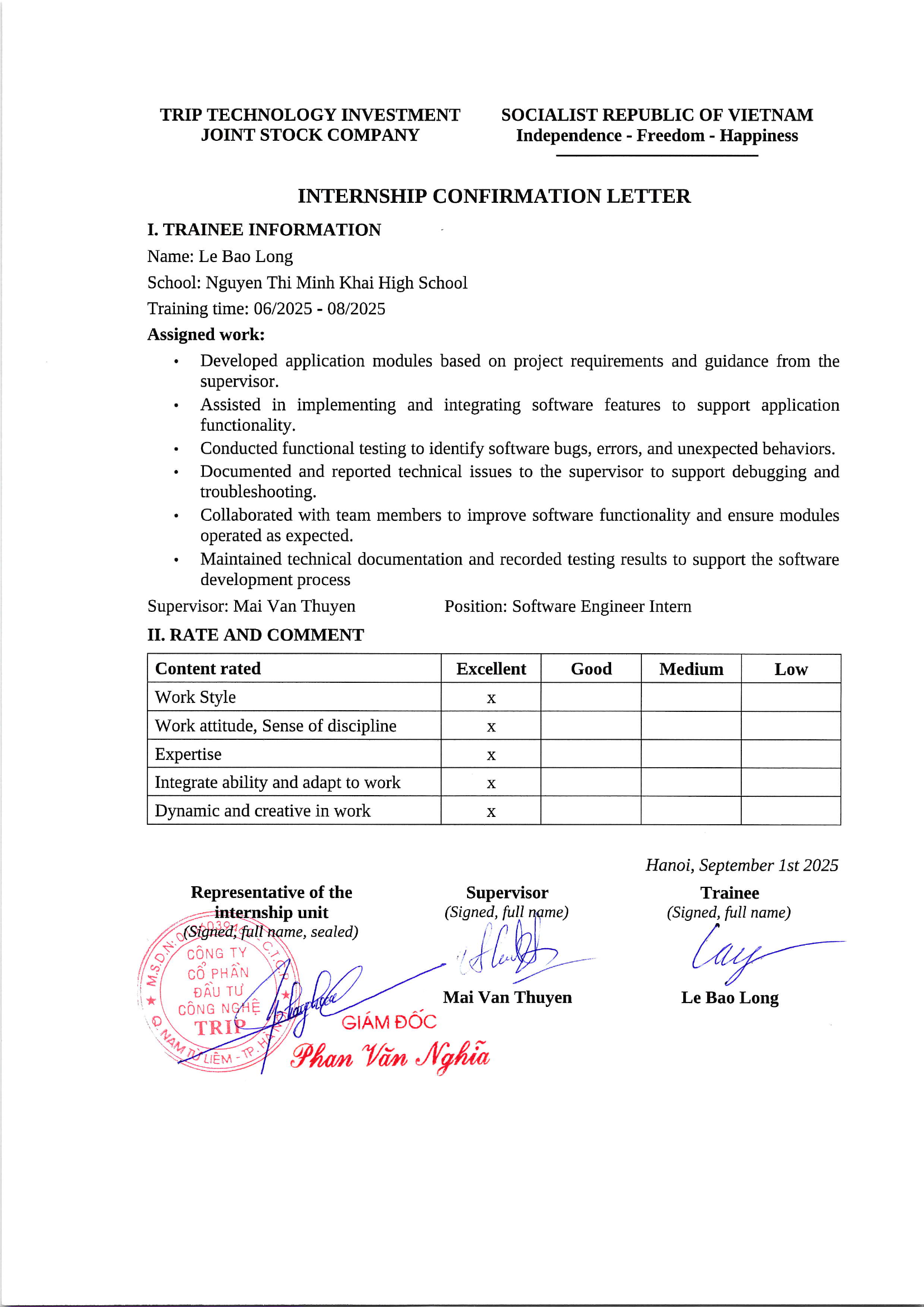
Internship Certificate / Trip Technology
06 / LEADERSHIP
President — 54+ Club.
THE LEADERSHIP EXPERIENCE
Cultural preservation requires both documentation and meaningful engagement.
As President of 54+ Club, I lead a team of 10 student journalists dedicated to documenting cultural practices and sharing stories from Vietnam’s ethnic minority communities.
Our goal is to promote cultural understanding while encouraging young people to appreciate the diversity of their country.
One of our most meaningful experiences took place during a volunteer trip to Tây Nguyên.
We organized interactive activities involving 90 secondary school students, using cultural stories and educational games to encourage discussion and participation.
The experience helped me see how storytelling and interactive learning could bring students closer to cultures they might otherwise know very little about.
It also strengthened my belief that cultural preservation requires both documentation and meaningful engagement.
07 / LEADERSHIP
Vice-President — Tech US.
THE LEADERSHIP EXPERIENCE
Sharing knowledge can be just as meaningful as acquiring it.
As Vice-President of Tech US, I worked with a team dedicated to making mathematics and computer science more accessible to younger students.
I managed a five-member content team and helped organize educational outreach projects in Thanh Hóa, Ba Vì, and Mộc Châu.
Through workshops and teaching activities, we introduced students to fundamental computer science concepts, online safety, information retrieval, and problem-solving strategies.
I also helped organize an online workshop called “Power of Artificial Intelligence” for tenth-grade students.
Beyond academics, our team supported sports equipment donation initiatives for schools in mountainous communities.
These experiences taught me that sharing knowledge can be just as meaningful as acquiring it.
08 / LEADERSHIP
Head of Content — AI Synapse.
THE LEADERSHIP EXPERIENCE
Understanding a subject deeply often begins with learning how to explain it simply.
AI Synapse brought together my interest in artificial intelligence and my enjoyment of collaborative learning.
As Head of Content, I worked with the academic board to organize weekly online sessions covering mathematics, programming, machine learning,
deep learning, and computer vision.
I also helped establish a weekly question-and-answer community to support students studying natural sciences.
Preparing educational content challenged me to explain technical ideas clearly and think about how different students approach unfamiliar concepts.
It reminded me that understanding a subject deeply often begins with learning how to explain it simply.
09 / VOLUNTEERING
Volunteer— MOT NAM.
THE VOLUNTEERING EXPERIENCE
Sometimes, something as simple as a meal can make someone’s day a little easier.
Through MOT NAM, I participated in a project providing free meals to patients and their families at the Vietnam National Children’s Hospital and Saint Paul’s Hospital.
I helped coordinate a five-member team that raised $500 and contributed to providing 800 free meals for 200 patient families.
I also participated in a social media awareness campaign to encourage community support.
The experience taught me that community service doesn’t always require a large or complicated solution.
Sometimes, something as simple as a meal can make someone’s day a little easier.
10 / LEADERSHIP
Head of Organizer— WINTER LEAF.
THE LEADERSHIP EXPERIENCE
Creative experiences can offer children opportunities to learn, express themselves, and enjoy time together.
WINTER LEAF focuses on supporting children receiving medical treatment through charity projects and creative activities.
As Head of Organizer, I directed a three-member core team and helped organize two online and three offline charity projects.
I also organized monthly art classes, prepared teaching materials, and coordinated supplies for hospitalized children.
These activities showed me how creative experiences could offer children opportunities to learn, express themselves, and enjoy time together.
PERSONAL STORY
Beyond the Code:
The People Behind My Purpose.
BEYOND THE CODE
A Journey Into the Highlands.
Before visiting Vietnam’s highland communities, I knew that my country was home to many ethnic groups.
But knowing that fact and truly understanding what it meant were two different things.
During my volunteer experiences, I met students whose daily lives, traditions, and communities were different from the ones I had grown up with.
I had opportunities to interact with local children, participate in educational activities, and learn about cultural practices that I had previously encountered only through books or online materials.
The experience made me realize how much of Vietnam’s cultural diversity remained unfamiliar to me.
I began asking myself how I could help other young people discover these communities and their stories.
That question would later influence both my leadership in 54+ Club and the development of ETHNIA.
BEYOND THE CODE
More Than Just a Game.
During my community outreach experiences, I saw how interactive activities could encourage students to participate and communicate with one another.
Rather than simply listening to information, students could learn through questions, discussions, and games.
These experiences changed how I thought about educational technology.
I no longer wanted to build an application simply because I enjoyed programming.
I wanted to create something that connected people to knowledge and encouraged them to explore unfamiliar perspectives.
ETHNIA became my attempt to bring that idea into a digital experience.
BEYOND THE CODE
The Other Side of Helping.
My volunteer work has also taken me into hospital communities through MOT NAM and WINTER LEAF.
At first, I thought volunteering was mainly about providing resources or organizing activities.
Over time, I began to appreciate the importance of small, consistent efforts.
Preparing meals, organizing art classes, gathering supplies, and working with teammates all required patience and responsibility.
These experiences reminded me that meaningful contributions are not always measured by the complexity of a project.
What matters is whether the work responds to someone’s needs.
BEYOND THE CODE
Why It Matters to Me.
Computer science gives me the tools to build things.
My experiences with different communities have helped me think about what those things should be built for.
I want to continue exploring how technology can support education, cultural understanding, and more accessible learning experiences.
I know that one application cannot preserve every tradition or solve every educational challenge.
But I believe meaningful change can begin with curiosity, collaboration, and the willingness to try.
And for me, that’s a good reason to keep building.
I want to build technology that doesn’t just make life more convenient, but makes knowledge, culture, and opportunity more accessible to others.
Welcome to My Little Corner!
There’s more to me than just coding, research, and academic achievements.
When I’m not sitting in front of my laptop trying to fix a bug or working on my next project, you’ll probably find me on a soccer field, playing video games, or exploring something creative.
These hobbies might seem unrelated to computer science, but each of them has shaped my personality in different ways. They’ve taught me about teamwork, creativity, patience, and sometimes, simply enjoying the moment.
This is a little space where I want to share the things I love doing outside the classroom.
More Than Just 90 Minutes.
Soccer has always been one of my favorite ways to spend my free time. Whether it’s a competitive match or just kicking a ball around with friends, there’s something about being on the field that makes me forget about everything else.
I usually play as a center back or midfielder. These positions require me to observe the game, communicate with teammates, and make quick decisions under pressure. Sometimes, one small mistake can change the entire match, but that’s also what makes soccer exciting.
During my time at Nguyen Thi Minh Khai High School, I joined FC Zenno, where I trained with a squad of around 20 players. We practiced for approximately four hours every week and regularly competed in friendly matches against other teams in Hanoi.
Through these experiences, I learned that being a good player isn’t just about individual skills. It’s also about understanding your teammates, trusting one another, and knowing when to step forward or support someone else.
Soccer Beyond Competition
One of my favorite soccer memories didn’t happen in a stadium or during an official match.
It happened during a volunteer trip to a mountainous community in Vietnam.
While spending time with local children, I had the opportunity to organize and participate in soccer games with them. We didn’t need a professional field or expensive equipment. All we needed was a ball, a few friends, and the excitement of playing together.
Despite coming from different backgrounds, we connected almost immediately through soccer.
That experience reminded me that sports can bring people together even when their lives are completely different.
What Soccer Means to Me
Soccer has taught me lessons that go far beyond the field.
It has taught me to stay calm under pressure, accept mistakes, communicate with others, and keep trying even when things don’t go my way.
And sometimes, after spending hours working on a difficult programming problem, there’s nothing better than stepping onto the field and enjoying a game with friends.
From Playing Games to Understanding How They Work.
I’ve always enjoyed video games, not just because they’re entertaining, but because they allow me to explore different worlds, strategies, and challenges.
When I was younger, I was fascinated by how games could respond to every action I made. Pressing a button could move a character, trigger an event, or completely change what happened next.
As I became more interested in programming, I started thinking about what happened behind the screen.
How were these game mechanics created? How did developers make characters interact with their environments? How could a few lines of code turn into an experience that thousands of people could enjoy?
These questions gradually connected my interest in gaming with my curiosity about computer science.
My Esports Experience
During high school, I joined Minh Khai Esports, where I participated in competitive gaming sessions focused on first-person shooters and sandbox games.
Our club regularly organized training sessions and matches against other teams in Hanoi.
I also participated in an Arena of Valor tournament, where I earned a prize of 500,000 VND.
Competitive gaming taught me that teamwork and communication are just as important in a virtual environment as they are on a soccer field.
Every match required planning, coordination, and the ability to adjust strategies quickly.
When Gaming Inspired Coding
My interest in gaming eventually encouraged me to experiment with game development.
I began learning how game mechanics worked and explored programming tools that allowed me to build simple interactive experiences.
Some of my early projects were small, but they introduced me to important programming concepts such as variables, conditions, loops, and user interactions.
Later, when I started developing ETHNIA, I realized that many of the ideas I had explored through gaming could also be applied to education.
Instead of using levels, rewards, and challenges purely for entertainment, I could use them to encourage students to explore cultural knowledge.
Looking back, gaming wasn’t just a hobby that I enjoyed after school. It also played a role in shaping the way I think about technology and interactive learning.
Creativity Doesn’t Always Need a Screen.
Most of my projects involve computers, programming languages, and digital tools. However, I also enjoy exploring creativity in a more traditional way through bamboo handicrafting.
Unlike coding, where I can undo a mistake with a keyboard shortcut, making something by hand requires a different kind of patience and attention.
I enjoy the process of working with physical materials and gradually turning them into something meaningful.
It’s a reminder that creativity doesn’t always require advanced technology. Sometimes, simple materials and a little imagination are enough.
A Connection to Vietnamese Culture
What makes bamboo handicrafting particularly interesting to me is its connection to Vietnamese traditions.
Bamboo has been used in Vietnam for generations, from everyday household objects to traditional handicrafts and architectural structures.
These objects represent more than their practical functions. They also reflect the skills, creativity, and cultural knowledge passed down through generations.
As someone interested in cultural preservation, I find this connection especially meaningful.
It reminds me that traditional practices are an important part of cultural identity, even in a world increasingly shaped by digital technology.
What Handicrafting Has Taught Me
Bamboo handicrafting has helped me appreciate the value of slowing down and paying attention to small details.
Unlike software development, where I often focus on functionality and efficiency, handicrafting allows me to enjoy the creative process itself.
At the same time, I’ve noticed similarities between these two activities.
Both require planning, experimentation, problem-solving, and the willingness to start again when something doesn’t work.
Whether I’m developing an application or making something with my hands, I enjoy the feeling of transforming an idea into something real.
A Few Moments Worth Remembering.
Not every meaningful memory comes from a competition, a project, or an achievement.
Some of my favorite moments are much simpler: spending time with family, laughing with friends, traveling to new places, or enjoying an ordinary afternoon.
These moments remind me to appreciate life beyond deadlines, assignments, and future plans.
Here are a few snapshots of the people, places, and experiences that make my life special.